
 +971 55 167 2350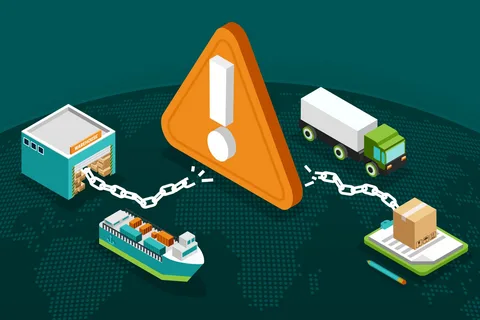
Global geopolitical conflicts often create ripple effects across industries and economies. The recent tensions and military conflict involving the United States and Iran are already raising concerns about energy markets, international shipping, and global trade. One of the biggest risks lies in the potential disruption of the Strait of Hormuz, a narrow but critical shipping route that carries a large portion of the world’s oil and trade.
For businesses operating in the UAE especially in Dubai, a major international trade hub these global disruptions can directly impact supply chains, inventory availability, and financial planning. This is why companies are increasingly relying on inventory management services in Dubai and professional bookkeeping service in Dubai to maintain operational stability during uncertain times.
In this article, we explore how the US–Iran conflict could disrupt global supply chains and why businesses in Dubai must strengthen their inventory and financial management systems.
The Strategic Importance of the Strait of Hormuz
The Strait of Hormuz is one of the most important shipping lanes in the world. Around 17–21 million barrels of oil pass through the strait every day, representing roughly 20% of global oil supply.
Because many Middle Eastern energy producers including Saudi Arabia, Iraq, and Kuwait export oil through this route, any disruption can cause immediate volatility in global markets.
Recent geopolitical tensions have already reduced shipping traffic and increased security risks for vessels passing through the region. In some cases, shipping companies have delayed or rerouted cargo due to safety concerns.
If the conflict escalates further, the disruption could trigger major delays in global shipping networks and increase transportation costs worldwide.
How the US–Iran War Could Impact Global Supply Chains
Supply chains rely on stable logistics networks. When geopolitical conflicts disrupt these networks, businesses across the world feel the impact.
1. Rising Energy and Transportation Costs
Energy is the backbone of global logistics. Ships, trucks, and airplanes all depend on fuel to transport goods.
When conflict threatens energy supply routes like the Strait of Hormuz, oil prices can rise sharply. Analysts warn that sustained disruptions could push oil prices significantly higher, increasing shipping and transportation costs globally.
For businesses, higher fuel costs mean:
- Increased freight charges
- Higher production costs
- Reduced profit margins
Companies that fail to plan for these changes may face serious financial pressure.
2. Shipping Delays and Longer Delivery Times
Global shipping routes are interconnected. If one major corridor is disrupted, cargo must be rerouted through longer and more expensive paths.
For example, if vessels avoid high-risk areas in the Middle East, they may need to take alternative routes that add 10–14 extra days of transit time for shipments.
This creates several problems for businesses:
- Delayed inventory replenishment
- Increased warehousing costs
- Supply shortages
Businesses with poor inventory planning may run out of essential products, which can lead to lost sales and unhappy customers.
3. Supply Shortages Across Industries
The impact of global conflict is not limited to energy markets.
Shipping disruptions can affect multiple industries, including:
- electronics and semiconductors
- metals and chemicals
- manufacturing materials
- agricultural products
These supply shortages create price volatility and uncertainty for businesses worldwide. Even companies that do not directly trade with Middle Eastern suppliers can experience disruptions due to global logistics bottlenecks.
For companies operating in major trade hubs like Dubai, managing inventory becomes even more important.
Why Dubai Businesses Must Strengthen Inventory Management
Dubai is one of the world’s largest trade and logistics centers, with major ports like Jebel Ali Port connecting global supply chains.
Many companies in Dubai operate in sectors such as:
- import and export
- e-commerce
- manufacturing
- logistics and distribution
When global supply chains become unstable, these businesses must maintain stronger inventory systems to avoid disruptions.
This is where inventory management services in Dubai play a critical role.
Professional inventory management helps businesses:
- track stock levels in real time
- forecast demand accurately
- maintain safety stock during disruptions
- reduce overstock and wastage
With the right inventory strategies, companies can maintain operations even during global supply chain crises.
The Role of Bookkeeping in Managing Supply Chain Risks
Inventory management alone is not enough. Businesses also need strong financial control to navigate uncertain economic conditions.
Professional bookkeeping service in Dubai helps companies track financial transactions, analyze costs, and maintain financial stability.
Bookkeeping services allow businesses to:
- monitor supply chain costs
- manage cash flow effectively
- track inventory expenses
- prepare accurate financial reports
During periods of global uncertainty, accurate financial data helps companies make smarter decisions and reduce operational risks.
How Accounting and Inventory Systems Work Together
Inventory management and bookkeeping are closely connected.
When businesses integrate these systems, they gain complete visibility over their operations.
For example:
| Business Function | Role of Inventory Management | Role of Bookkeeping |
|---|---|---|
| Stock control | Tracks product availability | Records inventory value |
| Cost management | Monitors procurement costs | Calculates profit margins |
| Demand forecasting | Predicts stock needs | Analyzes sales trends |
| Financial planning | Prevents stock shortages | Supports budgeting |
By combining inventory management services in Dubai with professional bookkeeping service in Dubai, companies can build resilient and efficient business operations.
Preparing for Future Global Disruptions
The US–Iran conflict highlights how quickly global supply chains can become unstable. Businesses must prepare for similar disruptions in the future.
Some key strategies include:
- diversifying suppliers across different regions
- maintaining safety stock levels
- using automated inventory management systems
- monitoring global market trends
- outsourcing accounting and bookkeeping services
Companies that adopt proactive strategies are more likely to survive and grow during economic uncertainty.
Conclusion
The conflict between the United States and Iran demonstrates how geopolitical events can disrupt global trade and supply chains. With critical shipping routes like the Strait of Hormuz under threat, businesses worldwide must prepare for delays, rising costs, and supply shortages.
For companies operating in Dubai, strong operational systems are essential. Investing in professional inventory management services in Dubai ensures better stock control and supply chain resilience. At the same time, reliable bookkeeping service in Dubai helps businesses maintain financial stability and make informed decisions during uncertain times.
By combining efficient inventory management with accurate financial reporting, businesses in Dubai can protect themselves from global disruptions and continue to grow in an increasingly complex global economy.